Yuzu
The one-liner
Volunteering still sounds like something your gran does on a Tuesday. Yuzu drags it into the present: a mobile platform built on the psychology of what keeps people showing up, for a generation that wants to do good without the guilt-trip or the clipboard.
The problem
The UK doesn't have a volunteering shortage. It has a friction problem. 96% of volunteers say they're satisfied once they're in, but a third find the system around it a mess, and "I don't have time" is the excuse people reach for when the real issue is not knowing where to start. Four separate application forms. Broken links to Word documents. Listings titled "Trustee" that scare off anyone unsure they're qualified.
I set out to understand why, and to design something better: people don't need to be bribed into volunteering, they need the barriers removed and their motivation supported.
My approach
I used Self-Determination Theory, the psychological framework behind what makes any activity intrinsically motivating, as the design compass throughout. Three things sustain genuine engagement: autonomy (choice, not obligation), competence (feeling capable, not thrown in), and relatedness (feeling connected to people and cause).
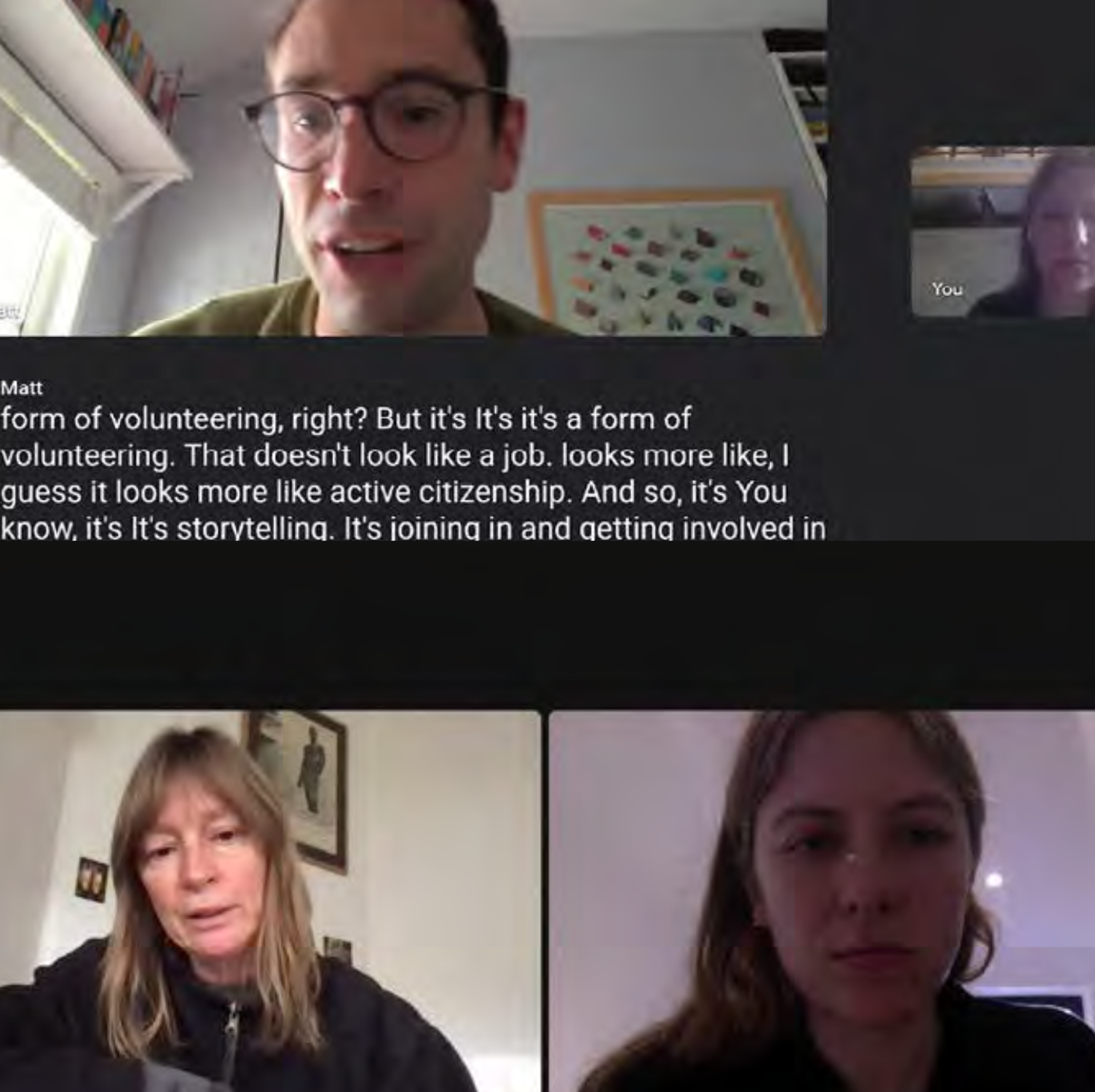
Research included fieldwork at four London volunteering organisations, a survey targeting 18 to 35 year olds, expert interviews with volunteer network operators, a usability study on existing tools, and a co-design workshop with volunteers.
What I found
People aren't put off by the idea of volunteering. They're put off by the process of getting into it.
- The onboarding is the enemy. Every volunteer found their opportunity through an online search, not the organisation itself. Long, unstandardised forms with no clarity on what happens next caused the biggest drop-off.
- Flexibility beats time. People want to dip in and out around work, not commit to a fixed slot. Flexible, bookable time slots drove far easier repeat engagement.
- Reflection matters. Volunteers wanted a moment afterwards to register what they'd done: a photo, a thank-you, a sense of impact. Almost no existing system gave them one.
- People volunteer with people. Social proof and shared experience came up again and again.
Usability testing on existing platforms scored 43.5% on the System Usability Scale, well below the 68% acceptable threshold. None of five participants could complete a booking within the hour.
What I designed
Yuzu treats volunteering less like a job application and more like discovering something you'll actually enjoy:
- Smart matching, not scrolling. Quick multiple-choice onboarding matches people to opportunities by skill, interest, and location, plus a map tool so nobody applies to a wetland reserve two hours away.
- One profile, every organisation. A single application works across multiple charities, so people can sample different kinds of volunteering before committing.
- A dashboard that shows your impact. Hours logged, skills gained, people helped: visible progress that turns a one-off event into a habit.
- Built-in flexibility. Bookable time slots and easy rescheduling, because pressure kills long-term motivation.
- Community, not just tasks. In-app messaging, friend invites, and organisation updates with photos and thanks: the reflection moment people were missing.
- Trust in both directions. Mutual reviews keep the platform credible for everyone, including small, low-resource charities.
Did it work?
I took the prototype back to the same five people who struggled with the existing tools. The System Usability Scale score jumped from 43.5% to 87%, comfortably into "excellent" territory. Every participant could now complete a booking they'd previously abandoned.
What's next
This was phase one: validating the experience from a first-time volunteer's perspective. Next: testing from the organisation's side, a wider range of ages and accessibility needs, and exploring how Yuzu could plug into wider civic infrastructure.

Yuzu, a new digital platform for civic action in the UK
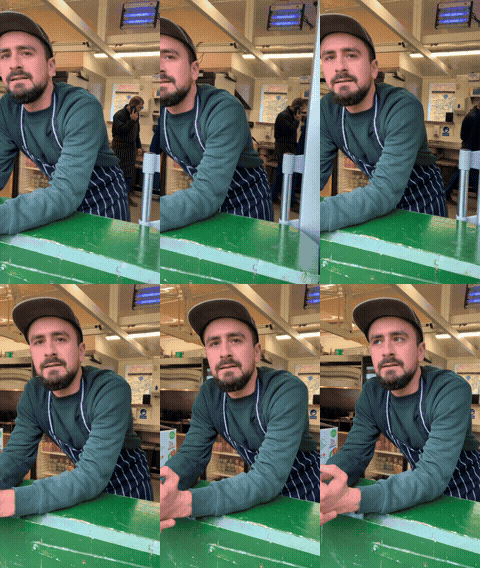
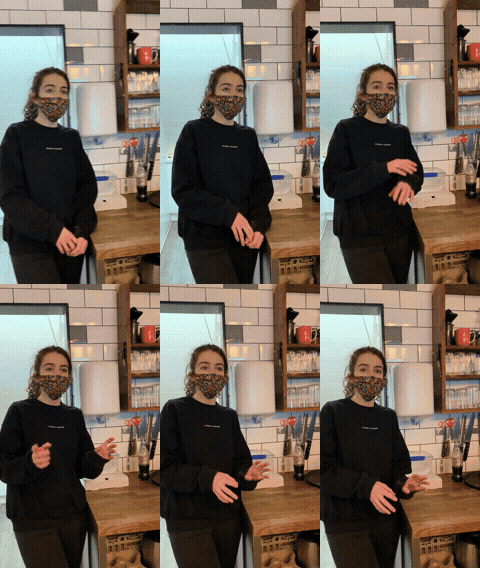






Semi-structured interviews with current volunteers at organisations within London about the volunteering experience
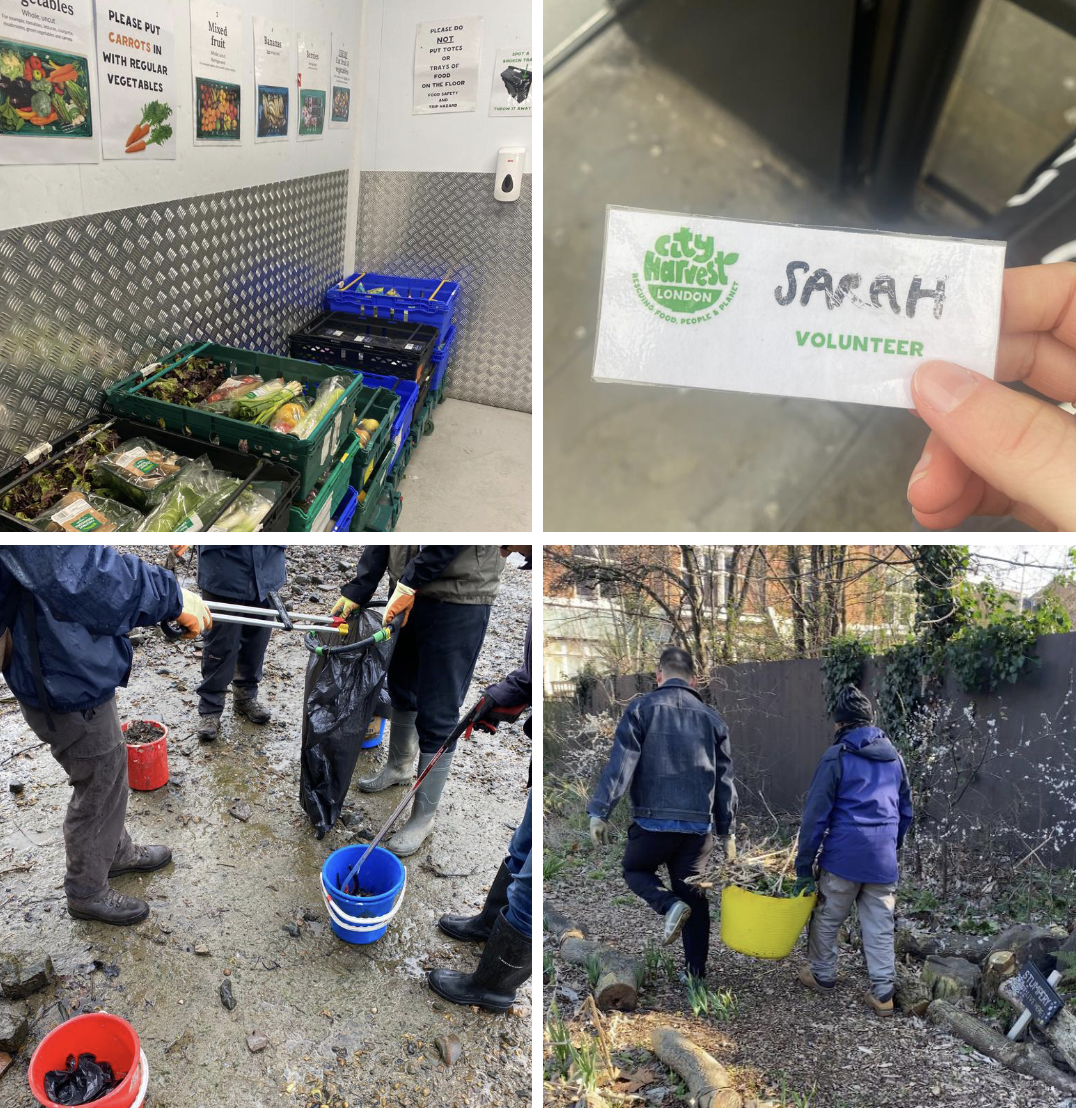
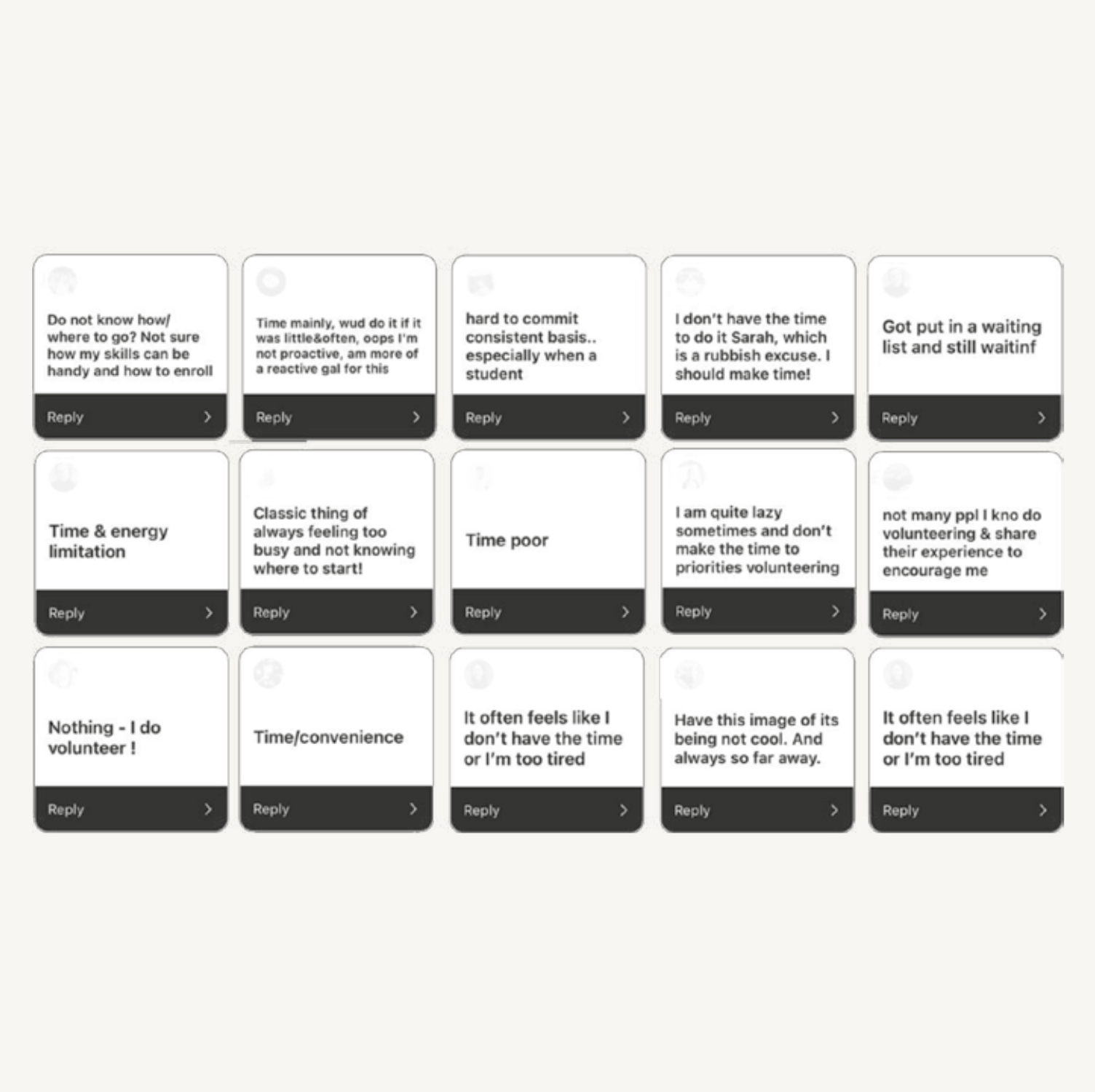
Ethnographic research at volunteering organisations, user surveys and in depth interviews with heads of volunteering at the London Wildlife Trust and Motor Neurone Disease Association
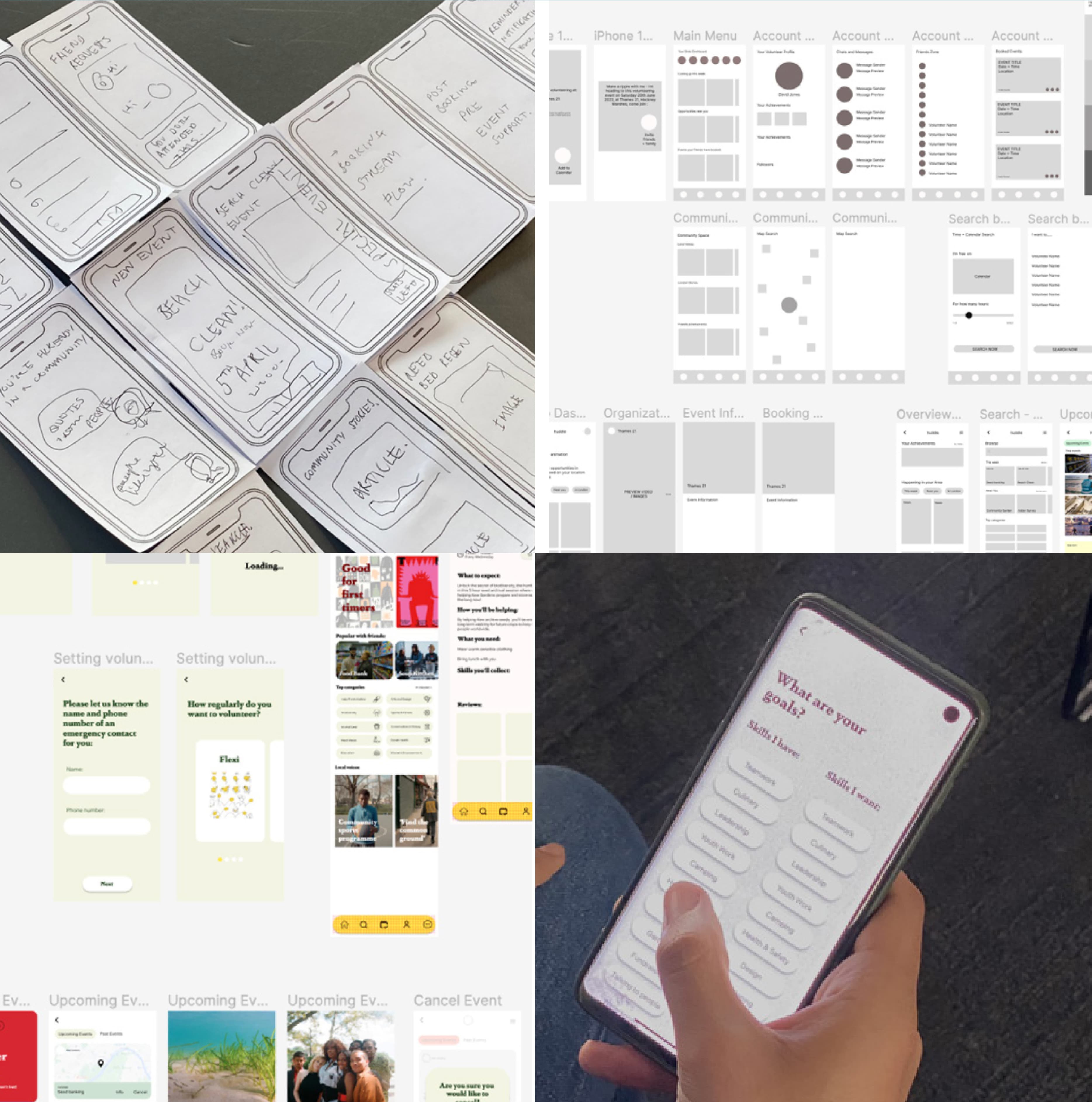
Paper prototyping and co-design workshop with Imperial Volunteer Society
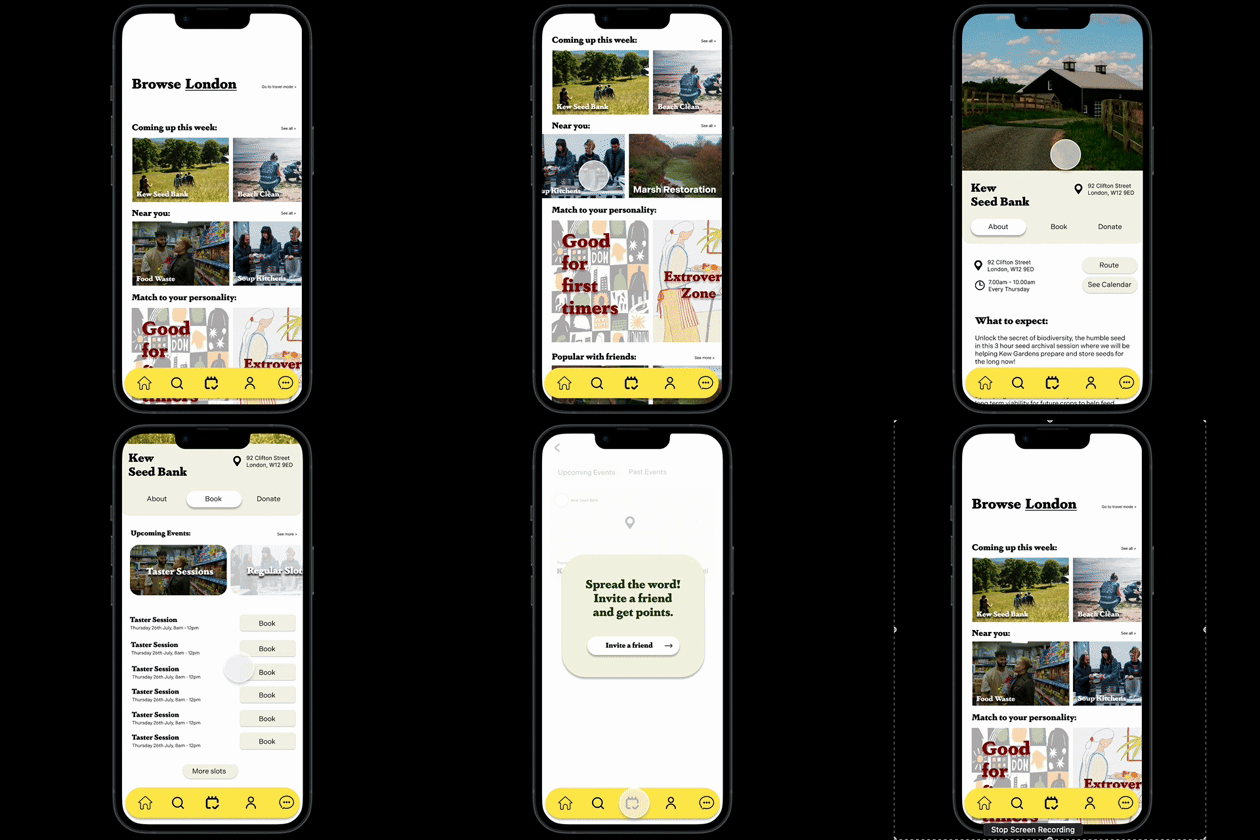
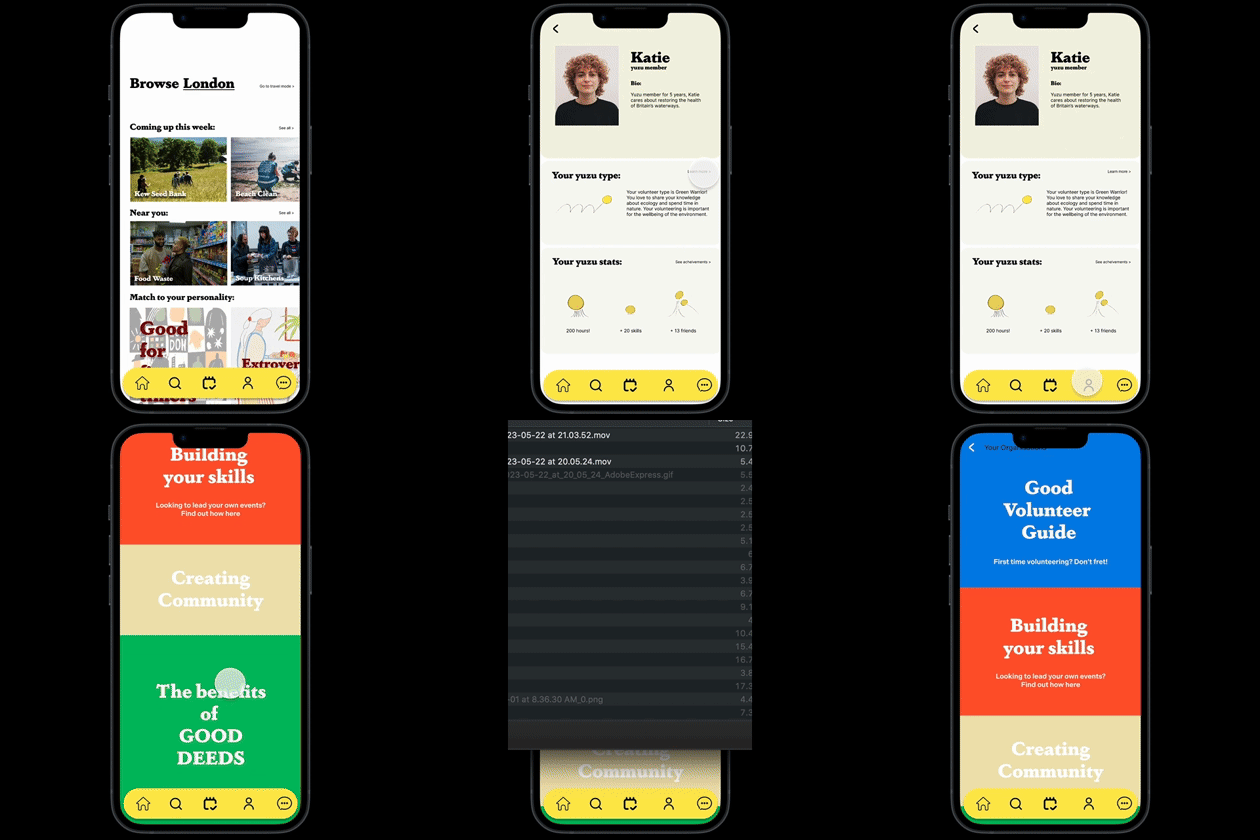
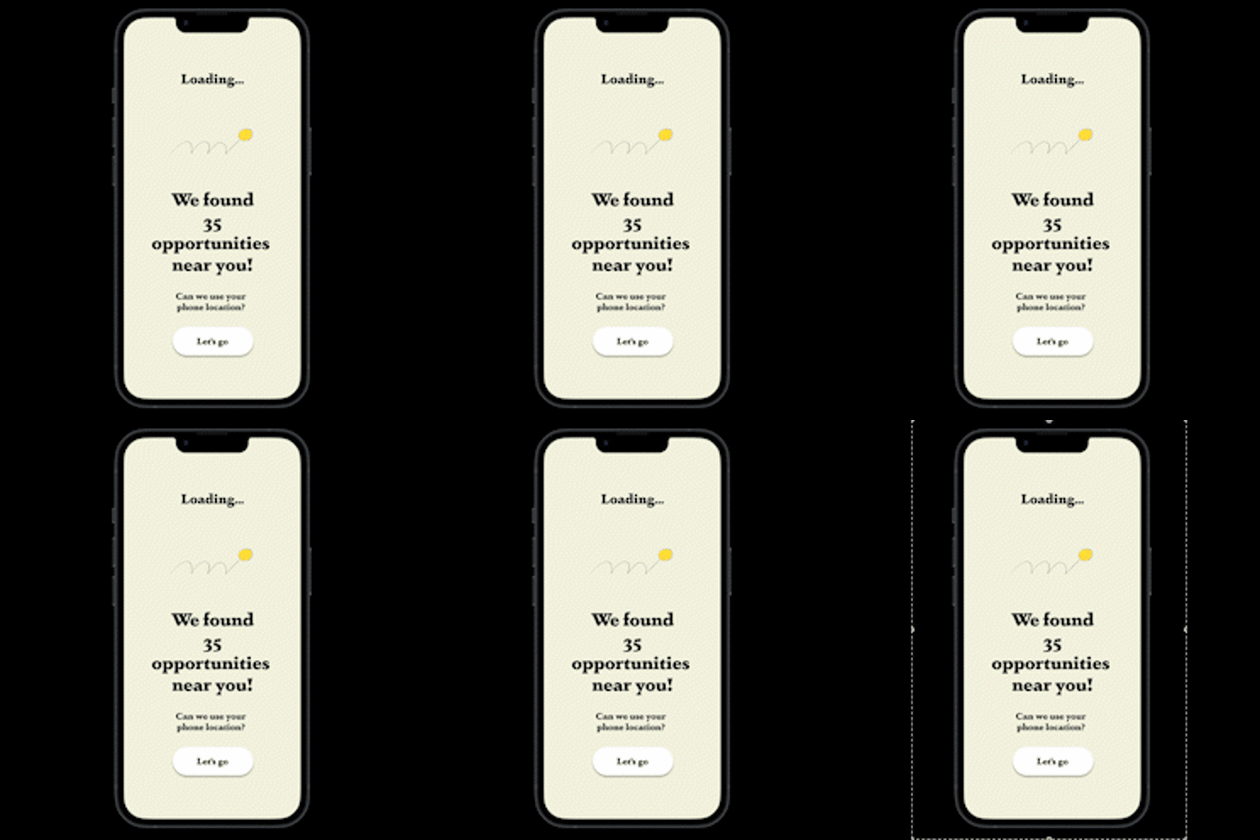
Initial figma prototype to test usability